Professional Development
Building Little Readers
A practical framework for maximizing literacy potential in children ages 3–6.
$19.99
One-time purchase. Lifetime access.
What this course is about
Ask most people what early literacy looks like and they will describe a child sounding out letters, tracing words, or reading simple books. Those images aren't wrong exactly — but they are late. The foundation that makes all of that possible is built years earlier, through reading aloud, singing, talking, playing with sounds, and exploring print in ways that feel completely natural to a young child.
This course is organized around five foundational components of a strong early literacy program for children ages three through six. Each component is essential. Each builds on the others. And all five should be present, in some form, every single day.
Elise Williams has built her entire teaching practice around these five foundations. This course shares not just what they are, but what they look like in practice, what the most common mistakes look like, and how to think about each child's developmental readiness rather than a one-size-fits-all benchmark.
What you'll be able to do
Course curriculum
5 lessons · 22 quiz questions · 20-question final assessment
Oral Language Development
Reading aloud, singing, and conversation — the three pillars that should happen every day, in abundance, from the earliest years onward.
4 lessons
Phonological & Phonemic Awareness
Entirely oral and auditory: rhyming, blending, segmenting, and playing with the sounds of language before any letters are introduced.
5 lessons
Phonics
The alphabetic principle, explicit phonics instruction through Riggs or Orton-Gillingham, dictation over copying, and developmental readiness as the guide for when to begin.
4 lessons
Print Awareness
Why print matters, how books work, and how to build authentic understanding of the purposes of reading and writing through real-world print experiences.
4 lessons
Pre-Writing: Beyond Mark-Making
Muscle development across the full body, surface and tool variety, the progression from drawing to letter formation, and what children's drawings reveal about their readiness.
4 lessons
What's included
~1 hour of content
Text and slide-based lessons — no video lectures required
5 lesson quizzes
22 graded questions — check your understanding after each lesson
Final assessment
20 synthesis questions — knowledge and scenario-based; 80% to pass
Certificate of completion
Downloadable certificate issued on passing
Signed course agenda
Instructor-signed document for CEU submission to your district
Lifetime access
Return to the material any time
Your instructor
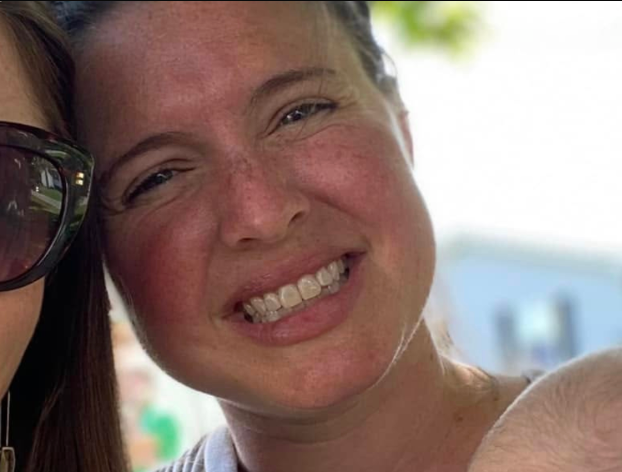
Elise Williams
Early Childhood Educator · Pre-K Specialist
Elise has been teaching Kindergarten and Pre-K for 14 years, including six years running a home-based mixed-age early childhood program. She holds a B.S. in Early Childhood Education and has trained extensively in the Riggs method of explicit phonics instruction.
View full profile